

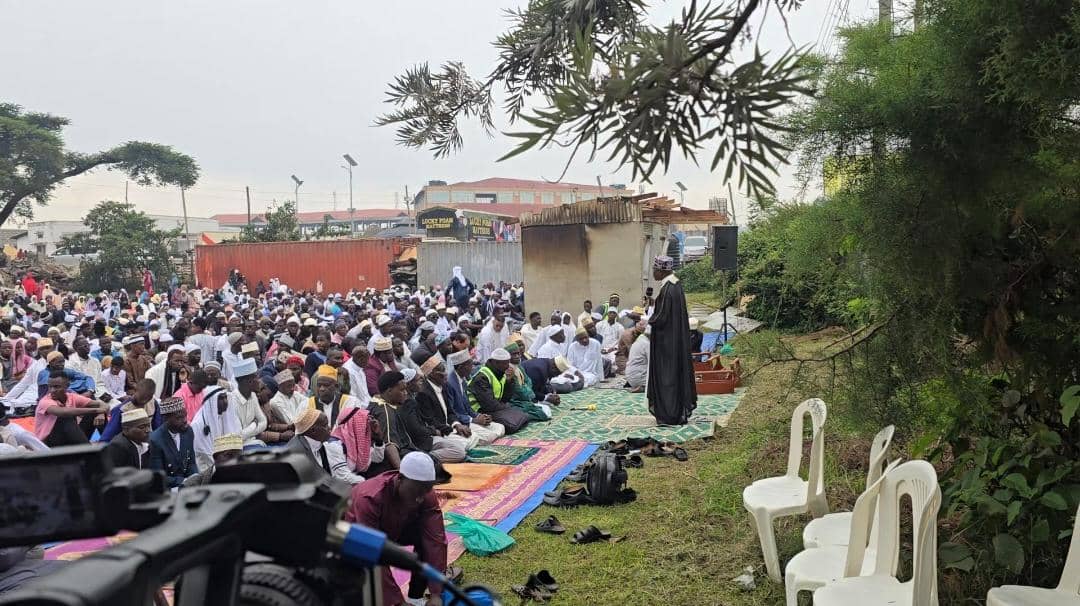
As the morning sun rose over prayer grounds across Uganda this Eid, a conspicuous silence hung where political rhetoric once thundered.
In sharp contrast to the previous year’s festivities, the 2026 Eid al-Fitr prayers were marked by a significant absence of high-profile political figures, particularly recently defeated incumbents and several elected Members of Parliament.
Across the country, from the Old Kampala National Mosque to regional prayer grounds in Mbarara and Jinja, VIP sections were noticeably thinner.
The recently concluded general elections, which saw a high attrition rate for incumbents, appear to have cooled the religious visibility of many political actors.
In Mbarara City, the absence of incumbent Woman MP Ritah Atukwasa became a focal point of discussion among worshippers.
A year earlier, during the peak of the 2026 campaign season, Atukwasa had drawn attention after donating an ultrasound scan valued at Shs10 million to the Mbarara Muslim Health Centre IV in Kakoba.
At the time, her presence was framed as a commitment to community health. Following her electoral defeat by Charity Kibaaju Kamuhanda, neither she nor her campaign team were present at this year’s prayers.
Similarly, Mwine Mpaka, who had contributed Shs10 million and delivered an additional Shs20 million from Speaker Anita Among during the previous Eid, was absent from prayers at Abubakar Mosque.
Muslim leaders and political analysts now link this absenteeism to what they describe as the “transactional” nature of Ugandan politics. During the 2025 Eid celebrations, prayer grounds often doubled as campaign platforms, with candidates distributing food items, pledging funds for mosque construction, and donating medical equipment.
With elections concluded, the incentives for such public gestures appear to have waned. Religious leaders noted that individuals who once competed for visibility and microphone time have since withdrawn from public religious gatherings.
Worshippers have taken note of the shift. One attendee at Abubakar Mosque along the Buremba–Kakoba road in Mbarara observed that the absence of familiar political figures reinforces perceptions that some engagements were driven more by electoral interests than faith.
The disappearance of even some newly elected MPs from this year’s Eid prayers reflects a transition from campaign activity to governance responsibilities.
Analysts note that many legislators have relocated to Kampala to begin parliamentary duties, including committee assignments and administrative arrangements, while others may be scaling back public appearances after the demands of the campaign period.
There are also suggestions that some leaders may be avoiding immediate post-election pressures from constituents seeking fulfillment of campaign pledges. The reduced presence at religious gatherings signals a shift from intensive voter engagement to the realities of political office.
Religious leaders used this year’s sermons to urge believers to look beyond seasonal acts of generosity and to focus on consistent values of faith and community support.
While some newly elected leaders who attended emphasized unity and post-election healing, the absence of their predecessors stood out.
For many observers, it underscored a broader pattern in which public displays of generosity often diminish once electoral outcomes are decided.
